Deadbolt Locks: How to Choose and Install the Right One
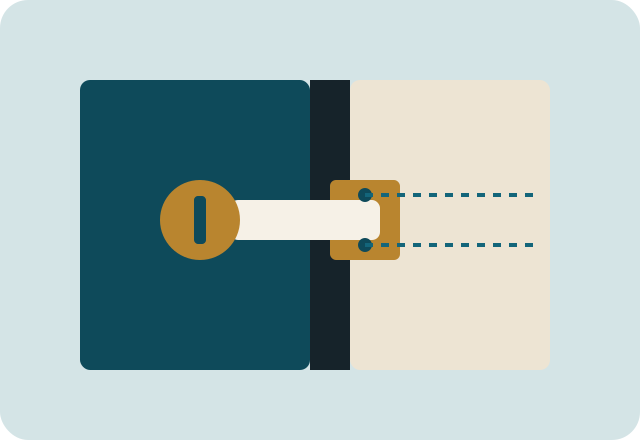
A deadbolt is a lock whose bolt cannot be pushed back by force on the bolt itself, unlike the spring latch on a door knob. Fitted well, it is one of the most effective upgrades you can make to an entry door.
Types of deadbolt
- Single cylinder: key outside, thumb turn inside. The most common choice for homes.
- Double cylinder: key on both sides. Useful beside glass panels but can slow an emergency exit, so check local fire and building rules first.
- Keypad and smart deadbolts: code or app entry, often with a key override.
- Rim (surface) deadbolts: mounted on the inside face of the door, common on older doors.
What the grades mean
Many deadbolts are graded under ANSI/BHMA standards. Grade 1 is the toughest, typically used in commercial buildings; Grade 2 suits most homes. Check the packaging or ask us.
The strike plate matters as much as the lock
Most kicked-in doors fail at the frame, not the lock. A reinforced strike plate fixed with long screws that reach the wall stud makes a large difference. We fit these as standard when we install a deadbolt.
Older Alameda doors
Many Victorian and early twentieth-century doors on the Main Island are thinner or have mortise locks. We choose hardware that fits the door without weakening it and can often keep the original lock as a secondary latch.
Professional installation
A deadbolt that is slightly out of line will bind, wear and eventually fail. Our residential locksmiths install, align and key deadbolts to your existing keys. Call 510-214-1089 for a quote.